Top 10 private university in bangladesh.

by OSTiTTO Academy
Below is a review of the top 10 private universities in Bangladesh, based on recent 2025 academic rankings (QS, THE, and U.S. News), industry reputation, and campus facilities.
1. North South University (NSU)
Best For: Business (BBA), Economics, and Pharmacy.
Overview: Often cited as the first private university in Bangladesh, NSU maintains its dominance through a massive alumnus network and a high-tech campus in Bashundhara.
Pros: Strongest employer reputation in the private sector; extensive extracurriculars; high global rankings in Asia.
Cons: Expensive tuition fees; highly competitive admission; campus can feel overcrowded during peak hours.
2. BRAC University (BracU)
Best For: Development Studies, Architecture, and Law.
Overview: Closely tied to the world’s largest NGO (BRAC), this university focuses heavily on social responsibility and research.
Pros: Top-tier research output; mandatory “Residential Semester” at Savar fostering leadership; excellent global partnerships.
Cons: Rigorous academic pressure; administrative processes are known to be slower than at other private unis.
3. Independent University, Bangladesh (IUB)
Best For: Environmental Science, Media Studies, and Engineering.
Overview: IUB is currently a leader in Interdisciplinary Science (ranked #1 among private universities in 2025 in this category).
Pros: State-of-the-art labs; heavy emphasis on student research; strong focus on liberal arts alongside technical subjects.
Cons: Strict attendance policies; certain departments are much stronger than others, leading to an uneven experience.
4. Ahsanullah University of Science and Technology (AUST)
Best For: Engineering (Civil, EEE, Mechanical) and Architecture.
Overview: The “go-to” private university for engineering. It follows a strict semester-based system similar to public universities like BUET.
Pros: Extremely high value in the engineering job market; disciplined environment; strong faculty.
Cons: Very limited campus social life; “old-school” teaching style with less focus on the liberal arts experience.
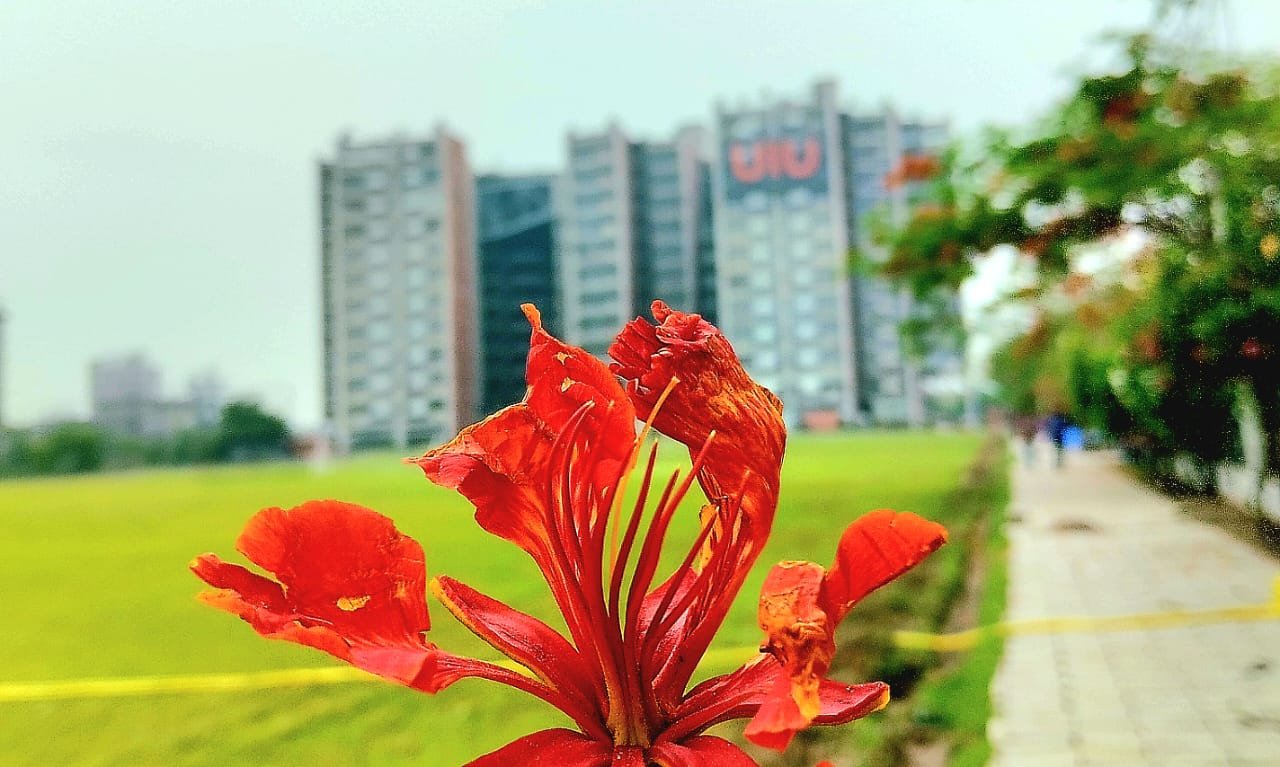
5. United International University (UIU)
Best For: Computer Science (CSE) and Data Science.
Overview: UIU has rapidly climbed the ranks by focusing on quality engineering and IT education.
Pros: Consistent ranking in THE Impact Rankings; modern “green” campus in United City; specialized research centers for energy and data.
Cons: Remote campus location (distance from central Dhaka); relatively newer compared to NSU/IUB.
6. Daffodil International University (DIU)
Best For: Information Technology, Entrepreneurship, and Software Engineering.
Overview: Ranked #1 private university in Bangladesh by U.S. News 2025-26, DIU is the most “tech-forward” institution.
Pros: Massive residential campus in Ashulia; heavy focus on startup culture and innovation; laptop programs for students.
Cons: Location is far from the city center; large student intake can sometimes impact student-to-teacher ratios.
7. American International University-Bangladesh (AIUB)
Best For: Engineering (EEE) and Business Administration.
Overview: Known for its iconic “glass” campus and professional atmosphere, AIUB has one of the best EEE departments in the country.
Pros: Excellent infrastructure; strong industry links for internships; highly organized administrative system.
Cons: Strictly professional environment with less focus on traditional “artsy” university culture; high tuition costs.
8. East West University (EWU)
Best For: Pharmacy, English, and Economics.
Overview: Located in Aftabnagar, EWU is known for providing high-quality education at a slightly more affordable rate than NSU or BracU.
Pros: Highly qualified permanent faculty; excellent library resources; strong Pharmacy Council accreditation.
Cons: Smaller campus footprint compared to the newer “mega-campuses”; very strict grading policy (low GPA inflation).
9. University of Liberal Arts Bangladesh (ULAB)
Best For: Media Studies & Journalism (MSJ) and English.
Overview: The leading institution for creative minds, communications, and the liberal arts.
Pros: Top-ranked Media and Journalism department; active focus on sustainable development (SDGs); vibrant campus culture.
Cons: Smaller engineering and science departments compared to technical universities.
10. University of Asia Pacific (UAP)
Best For: Civil Engineering and Pharmacy.
Overview: UAP has carved a niche for itself as a high-quality specialist school, particularly in professional technical fields.
Pros: Award-winning architectural campus design; recognized widely by professional bodies (IEB and Pharmacy Council).
Cons: Limited range of subjects compared to the “big three” (NSU, BracU, IUB).